2026 AIA Leadership Summit
On the Hill: The 2026 AIA Leadership Summit
In February, Michael Cintron traveled to Washington, D.C. for the 2026 AIA Leadership Summit, joining AIA California's volunteer leaders and staff as the chapter's State and Territory Associate Representative. Held February 11 to 14, the Summit is AIA's premier advocacy and leadership event, bringing together close to 700 chapter leaders and executives from across the country to sharpen their leadership skills and align around the profession's national priorities.
The programming covered a lot of ground, from a keynote on leading through change to the rollout of AIA's 2026 to 2030 strategic plan. But the centerpiece, and the reason a trip like this matters, was Hill Day.
Hill Day
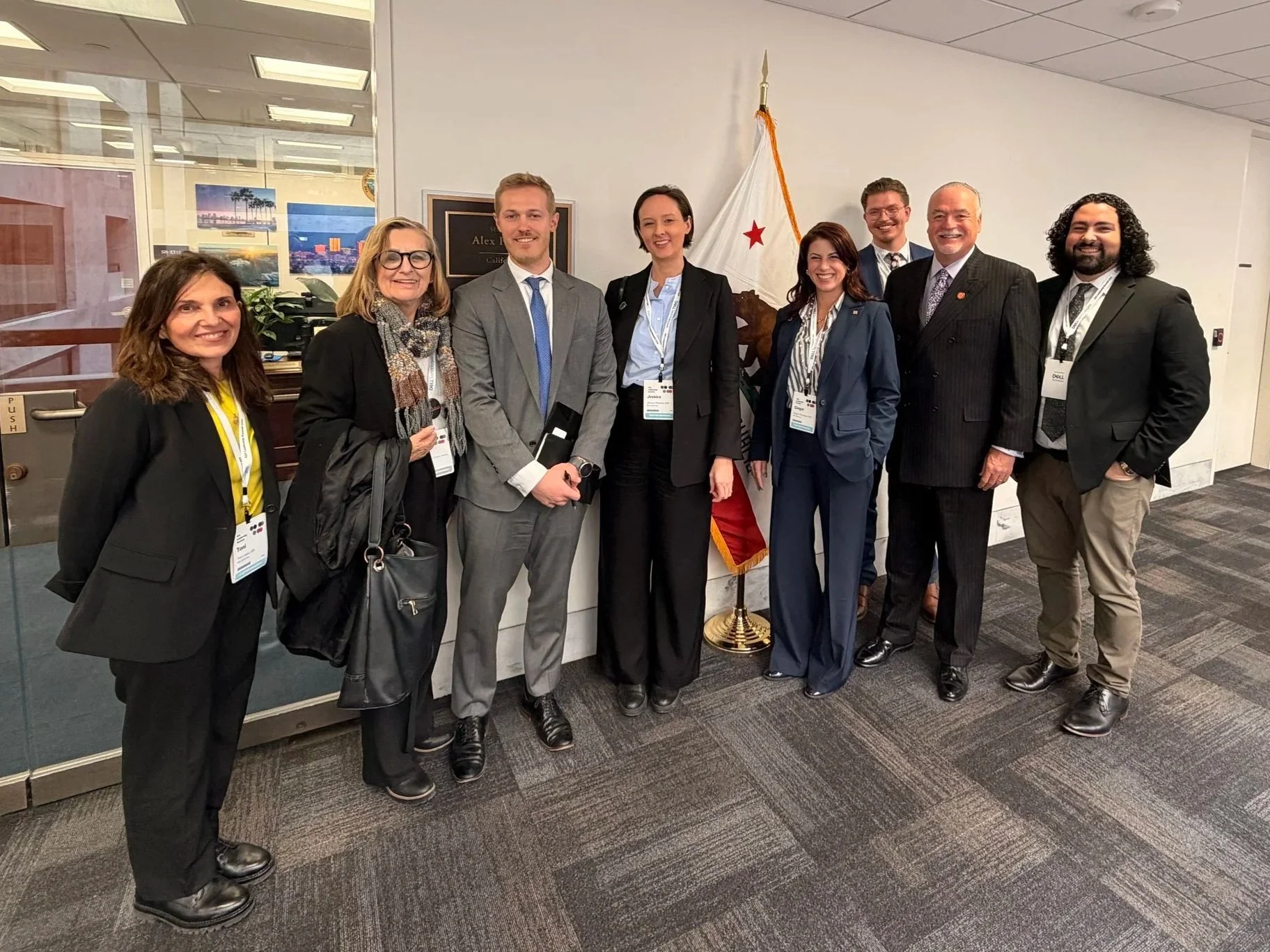
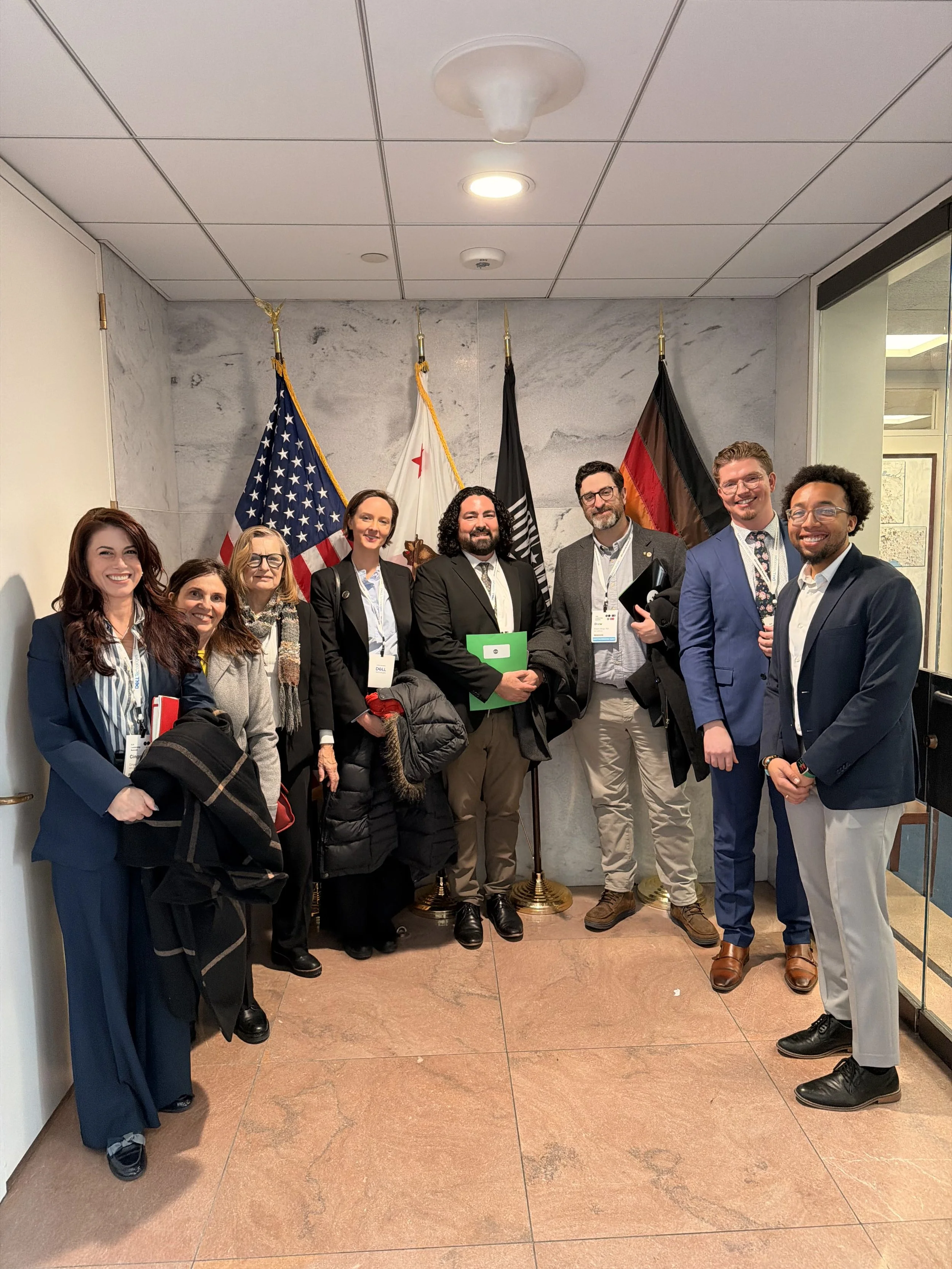
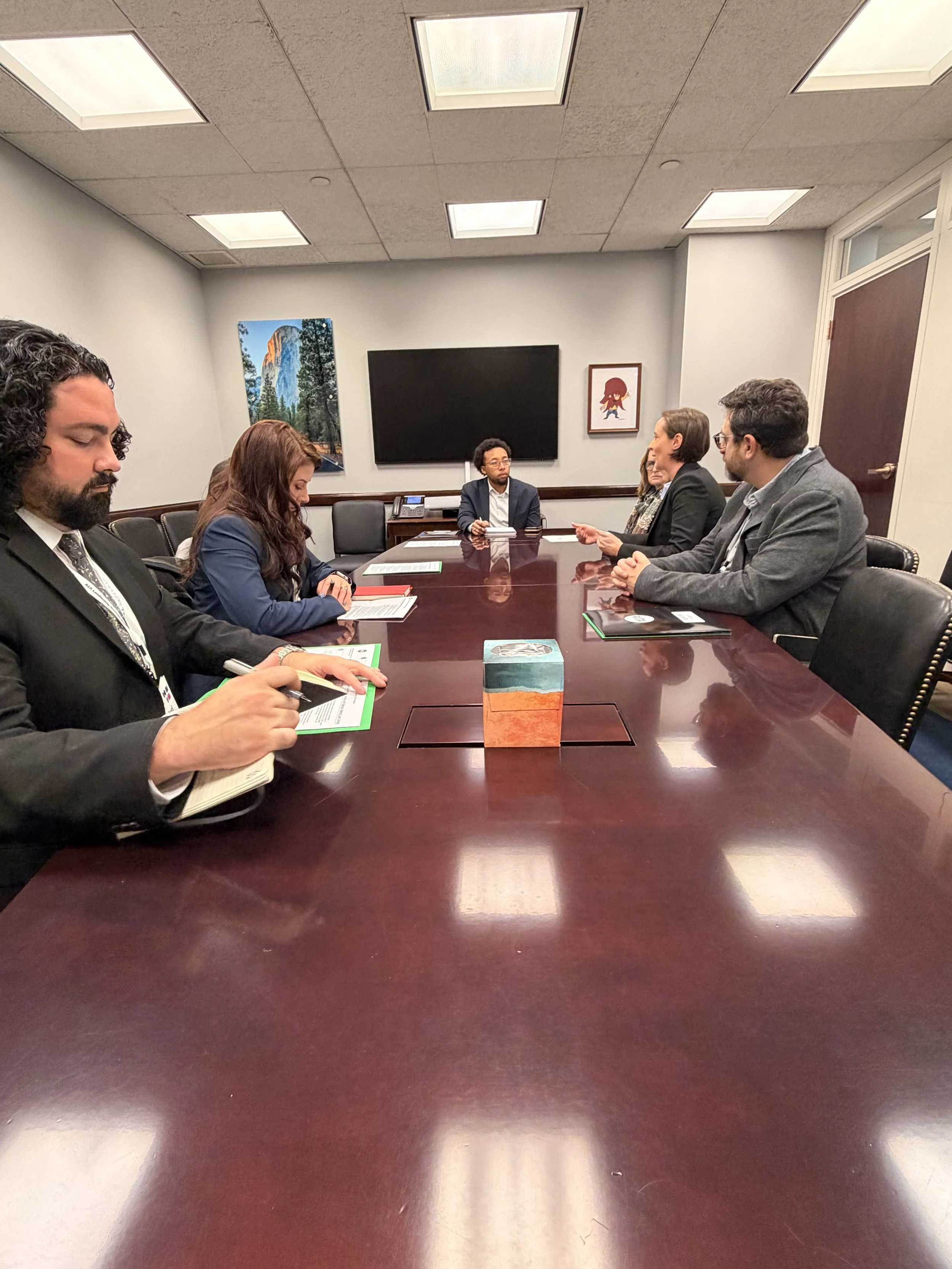
Hill Day is exactly what it sounds like. After a preparation and briefing session, delegations head across Capitol Hill to meet with their congressional offices and make the case for the issues that shape the built environment. Michael joined the AIA California delegation in meetings with representatives of California's U.S. Senators, Adam B. Schiff and Alex Padilla, carrying a short list of federal priorities.
Four issues anchored this year's asks.
The first was energy-efficient buildings. The 179D tax deduction rewards high-performance design in commercial and public buildings, from schools to hospitals, and faced expiration in 2026. The delegation urged Congress to extend it, so that firms and building owners can plan with certainty.
The second was housing. With communities across the country facing a housing shortage, AIA is backing federal housing legislation aimed at modernizing policy, reducing barriers, and expanding the range of homes that can be built, with architects positioned as partners in delivering them.
The third was design freedom. AIA supports the guiding principles for federal architecture that have been in place since 1962, which hold that public buildings should reflect the communities they serve rather than a single mandated style, with public input as part of the process.
The fourth was the pipeline into the profession. Rising education costs and student debt threaten the flow of new talent into architecture, and AIA is advocating for changes that would recognize professional degrees and ease the financial barriers facing emerging professionals. It is an issue close to Michael's own work on licensure.
Why it matters
It is easy to assume that policy happens somewhere else, to someone else. Hill Day is a reminder that it does not have to. Architects understand how buildings, budgets, and communities actually fit together, and that perspective belongs in the rooms where decisions get made. Showing up in person, with a clear and honest ask, is how a profession stays part of the conversation.
For Michael, the Summit was both a leadership education and a reminder of why he volunteers: the profession is strongest when the people in it are willing to speak up for it.